Are you ready to unravel the history and marvel at the architecture of Istanbul’s iconic silhouette, Hagia Sophia?
Historical Depths:
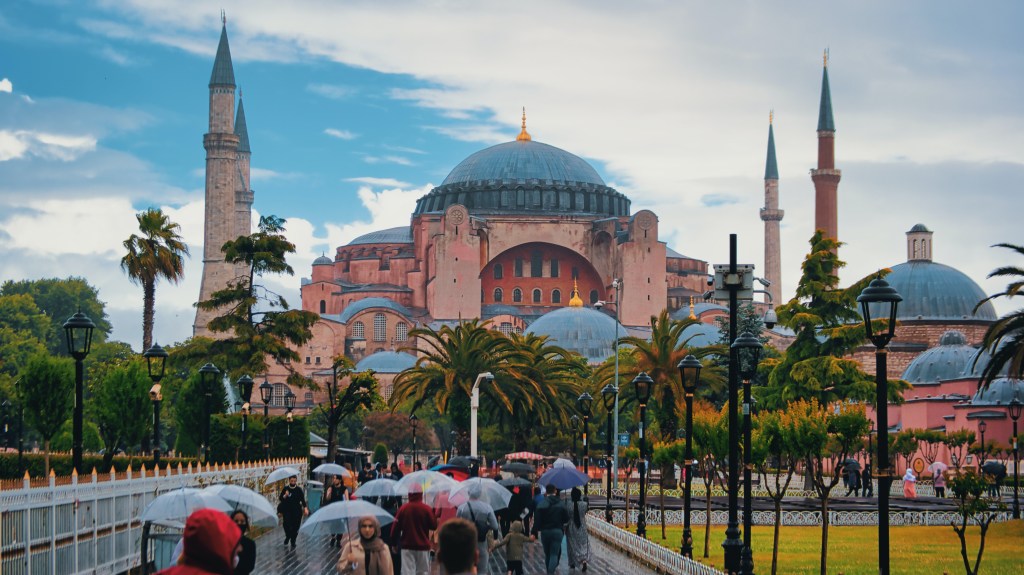
Hagia Sophia, completed in 537 AD under Byzantine Emperor Justinian I, stands as an architectural marvel of its time. Initially constructed as a colossal church with the world’s largest dome, it served as the religious epicenter of the Byzantine Empire, hosting significant religious councils for over a millennium.
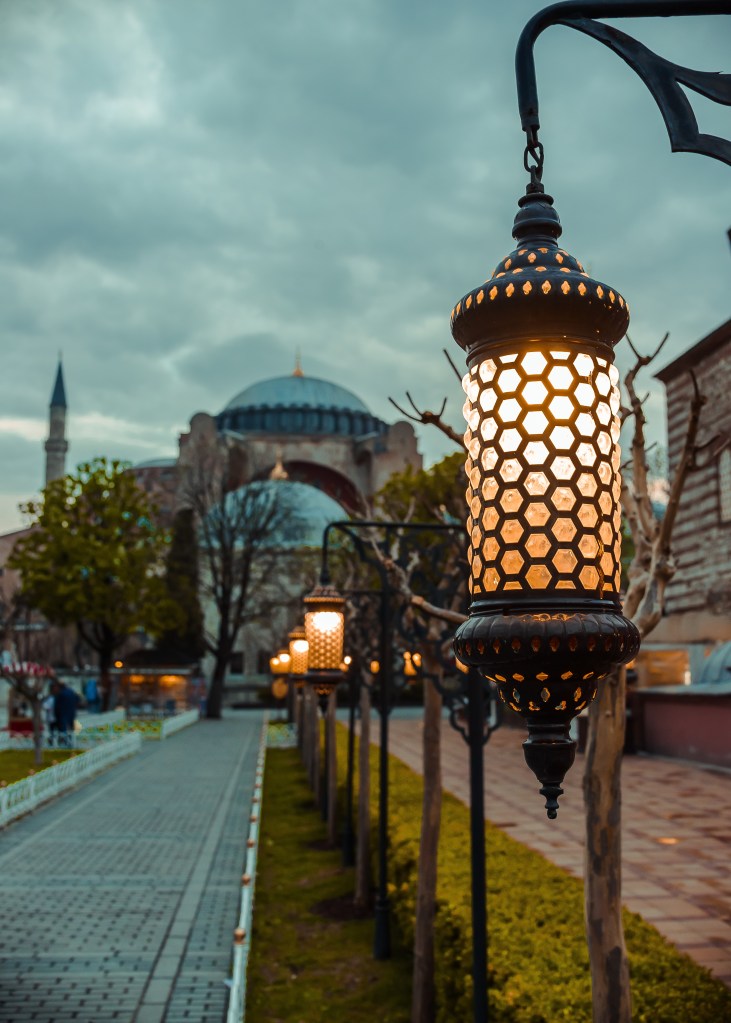
However, in 1453, following the Ottoman Empire’s conquest of Istanbul, Hagia Sophia underwent a transformation into a mosque. Minarets were added, adapting the structure to Islamic architecture, and it became one of the Ottoman Empire’s most prominent mosques.
Architectural Grandeur:
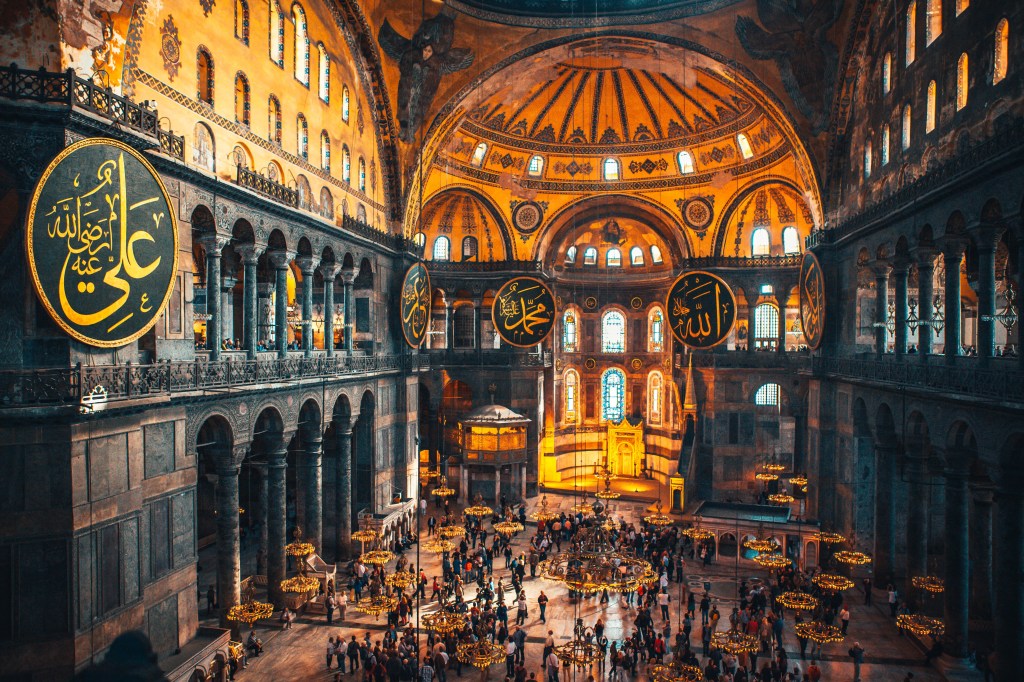
The architecture of Hagia Sophia is a testament to its extraordinary achievement in its era. With its colossal dome, intricate mosaics, and unique embellishments, the structure captivates. The complexity of the interior showcases architectural brilliance, while the grand mihrab beneath the dome reflects original touches from the mosque era.
During restoration processes, Byzantine-era mosaics emerged, enchanting visitors with their rich colors and details. These mosaics have preserved traces of the eras Hagia Sophia has traversed.
Changes in the Modern Era:
Converted into a museum by the Republic of Turkey in the mid-20th century, Hagia Sophia returned to its mosque status in 2020. This change prompted a reconsideration of the architectural and functional details of the structure.
Hagia Sophia continues to be a place where history and architecture harmonize. Visitors, tracing the footsteps of the past within this unique edifice, have the chance to experience a rich tapestry of history and architecture.
This piece aims to provide a comprehensive insight into the history and architecture of Hagia Sophia, inviting readers to embark on a journey through time and cultural evolution.
 Honor Chronicles A Blog of Integrity and Inspiration